
"rust prevention"
400 article(s) found

Costa Rican coffee production will be reduced by 18%
Xinhua News Agency, Mexico City (Reporter Liu Chenbing) Costa Rica's Deputy Minister of Agriculture, Xenia Chavez, announced a few days ago that due to rust, national coffee production is expected to decrease by 18% this year, far exceeding the 10.5% decline predicted at the beginning of the year. Coffee growers asked Congress on the 11th to approve a trust loan totaling 40 million US dollars to control rust.

What is rust caused by? How to deal with the harm of iron rust to coffee beans
Coffee rust, also known as coffee leaf rust
Annual report of Honduran Coffee 2017
Highlight of the report: Honduras is the largest coffee producer in Central America and the third largest coffee producer in Latin America, ranking sixth in global coffee exports. Coffee production in Honduras from October 2017 to September 2018 is expected to reach 6.5 million bags, up 4 per cent from last year. For the 2016 / 2017 sales year, at the beginning of 2017, Loeb
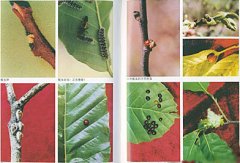
Common Diseases and pests in Coffee cultivation and Prevention and Coffee basic knowledge
(1) Pest control 1. Coffee tiger longicorn beetles are distributed in all coffee producing areas in the world, and also occur in Yunnan, Guangxi and Hainan Island in China. It is one of the major pests of coffee. The coffee tiger longicorn beetle harms the coffee trunk for more than 2 years. At first, it eats between the cambium and xylem, and then eats the xylem. The victim was a curved tunnel filled with sawdust.
The size of coffee producing areas reduced due to the new government in Honduras
Title: "the Honduran government transforms to grow cocoa due to coffee leaf rust." author: Nick Brown released on September 1, 2015. source: http://dailycoffeenews.com/2015/09/01/honduras-government-to-transition-leaf-rust-affected-coffee-lands-to-cocoa/, according to a recent report released by Reuters Africa.

Control of Diseases and pests in Coffee
(1) Pest control 1. Coffee tiger longicorn beetles are distributed in all coffee producing areas in the world, and also occur in Yunnan, Guangxi and Hainan Island in China. It is one of the major pests of coffee. The coffee tiger longicorn beetle harms the coffee trunk for more than 2 years. At first, it eats between the cambium and xylem, and then eats the xylem. The victim was in a curved tunnel filled with sawdust.
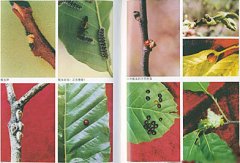
Common Coffee Diseases and pests in Coffee cultivation and Control methods
It is distributed in all coffee producing areas in the world, and it also occurs in Yunnan, Guangxi and Hainan Island in China. It is one of the major pests of coffee. Coffee longicorn beetles, which damage the coffee trunk by larvae for more than 2 years, initially eat between the cambium and xylem, and then eat (1) pest control. 1. Coffee tiger longicorn beetles are distributed in all coffee producing areas in the world. Yunnan, Guangxi and Hainan, China
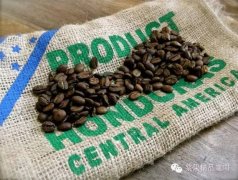
The size of coffee producing areas reduced due to the new government in Honduras
According to a recent report released by Reuters Africa, leaders of the Honduran Ministry of Agriculture plan to convert 8% of the country's coffee farms to cocoa. The news came from the country's Ministry of Economic Development and the National Coffee Association ihcafe told Reuters, the country's Minister of Economic Development Alden Rivera pointed out that because many coffee farms are affected by a particularly serious leaf rust disaster, if not

Control methods of cultivation techniques of small-grain Coffee
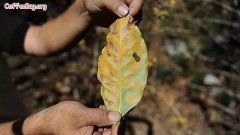
Disease control: 1. Coffee rust is the main disease of coffee, the most harmful, the damaged plants, light reduced yield, heavy death. Coffee rust is mainly harmful to leaves and sometimes to young fruits and twigs. After the leaves were infected, many light yellow spots appeared at first and enlarged in the form of water stains, followed by orange-yellow powdery spores on the back of the leaves, and there was a light green halo around the disease spots, and the disease spots in the later stage.

Honduras New Deal Cuts Coffee Production Size
Specialty coffee is also known as specialty coffee. It refers to coffee made from green beans with excellent taste characteristics grown in a few extremely ideal geographical environments. Depending on the particular soil and climatic conditions in which they are grown, they have outstanding flavors. This type of coffee is carefully selected and graded for its hard texture, rich taste and wind.
Cultivation techniques of small-grain Coffee
Disease control: 1. Coffee rust is the main disease of coffee, the most harmful, the damaged plants, light reduced yield, heavy death. Coffee rust is mainly harmful to leaves and sometimes to young fruits and twigs. After the leaves were infected, many light yellow spots appeared at first and enlarged in the form of water stains, followed by orange-yellow powdery spores on the back of the leaves, and there was a light green halo around the disease spots, and the disease spots in the later stage.
Honduras New Deal to reduce the size of coffee producing areas boutique coffee beans
Everything happens for a reason, the berries believe. What you sow, you reap. Because it is now; it is the future. And we can't predict what the future results will be, so grasp the "cause" of your own species, cherish what you have in front of you, and if you want to change, there will be different results. So don't forget the original heart, stick to yourself. After all, whether the "fruit" is good or bad, the process of heart is worthy of praise.
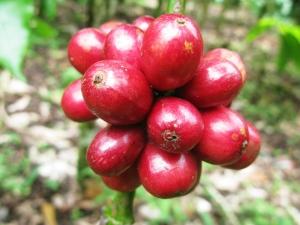
Coffee bean production decreases Central America is badly hit by coffee rust
Currently, 13 of El Salvador's 14 provinces are affected by coffee rust. A similar situation has occurred in Nicaragua, where small farmers have been hit hard by coffee rust. In Central America, especially Costa Rica, Honduras and Guatemala, coffee rust was successfully controlled within two years through innovative coffee cultivation, pruning and proper fertilization.
New varieties of Coffee and Control methods of Rust
Starbucks has bought its first-ever farm in Costa Rica, with plans to cultivate new varieties of coffee and test the "coffee rust" that afflicts the industry.
The National Union of Central and South American Coffee Diseases lend a helping hand.
The outbreak of coffee leaf rust in the coffee producing areas of Central and South America began at the end of last year, resulting in a reduction in local coffee production, which has seriously affected the local people's livelihood and economic industry. The National Cooperation Council of the Ministry of Foreign Affairs said that domestic plant pathologists have been invited to local friends to learn about the situation, and a regional plan will be planned to provide prevention and control assistance to friendly farmers through a combination of technology and funds.

Hawaiian coffee beans poisoned by leaf rust what does coffee look like? historical story of the development of leaf rust
According to the Hawaiian Department of Agriculture (HDOA), coffee leaf rust (CLR), which is highly contagious and harmful to crops, has been found in all major islands of Hawaii. The agency informed the public this week that Hemileia Vastatrix, the pathogen that causes rust, was found in coffee samples from the islands of Kauai and Mockai. After laboratory testing, HDOA recognized that

Research results of the World Coffee Science Conference: long-term consumption of coffee is good for health
In the field of coffee chemistry, the research results of experts from various countries show that different processing methods and storage conditions have effects on the microbial and chemical composition of coffee. In the process of storage, the temperature of storage is lowered to better ensure the quality of coffee. Professor Pochun Possion, a professor from Switzerland, gave a brief explanation on ensuring the freshness of coffee in the coffee distribution system.
World Coffee Information Latin American caffeine climate warming is facing decline
Organic coffee in Latin America is under threat due to the spread of rust leaf disease at higher altitudes due to global warming, Taiwan's United News Network reported recently. For nearly six years, a fungus commonly known as "coffee rust" has killed a large number of coffee trees in Central America, so many that scientists believe that coffee harvests in the region could be reduced by as much as 40%. The culprit is what scientists say
Coffee Defense War to find Super genes to Save Coffee
In March, about 20 people, including the world's top coffee researchers, gathered at the Centre for Tropical Agricultural Research and higher Education (CATIE) in Turialva, Costa Rica, to discuss the uncertain future of coffee, the world's most popular beverage crop, in Central America. The theme of the seminar was a very harmful agricultural disease: coffee rust in local Spanish.

Defense of Coffee in Central America: searching for Super genes to Save Wild Coffee
In March, about 20 people, including the world's top coffee researchers, gathered at the Centre for Tropical Agricultural Research and higher Education (CATIE) in Turialva, Costa Rica, to discuss the uncertain future of coffee, the world's most popular beverage crop, in Central America. The theme of the seminar was a very harmful agricultural disease: coffee rust in local Spanish.